
Understanding Employee Benefits in Japan: What is "福利厚生(ふくりこうせい)" ?


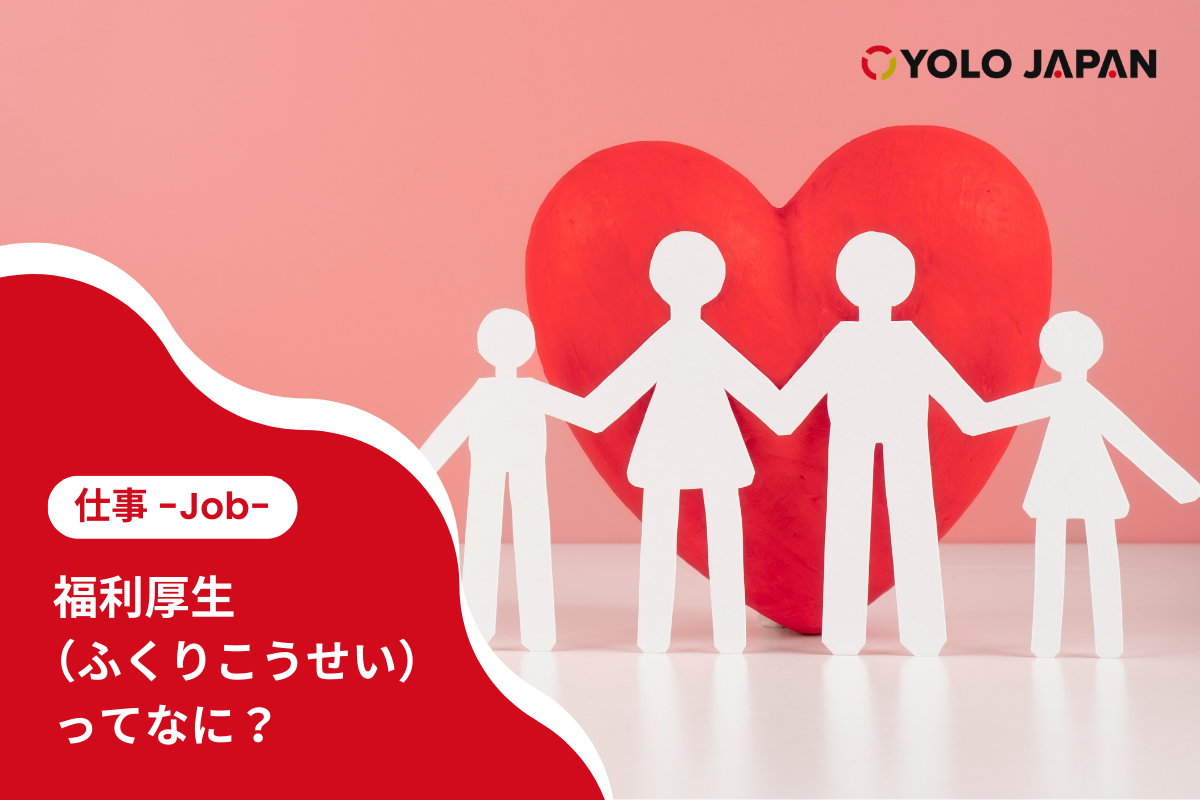
When working in Japan, you may receive support called “employee benefits” from your company or the government.
This page explains Japanese employee benefits in simple English for foreign residents.
What kinds of support are available? Who can receive them? What should you be careful about?
Check this guide to understand the system and work in Japan with peace of mind.
|
【Table of Contents】 ■ Who Can Receive Employee Benefits? ■ Types of Employee Benefits in Japan ■ Key Points for Foreign Workers |
■ What Are Employee Benefits?
Employee benefits are support systems provided by companies or the government
to help you and your family live safely and comfortably while working in Japan.
For example, health insurance that reduces hospital costs or
paid leave when you need to take time off are common benefits.
These systems are designed to help employees stay healthy and continue working with peace of mind.
The benefits you receive may differ depending on the company.
When looking for a job, it’s important to check what benefits are available.
■ Who Can Receive Employee Benefits?
Employee benefits are available to most people who work in Japan.
For example, full-time, contract, part-time, and temporary workers
may all receive benefits, depending on company policy.
However, the type and amount of benefits vary by company.
At some companies, part-time workers may receive commuting allowances,
while at others they may not.
Make sure to ask your employer what benefits apply to your type of work.
■ Types of Employee Benefits in Japan
There are many kinds of employee benefits offered by Japanese companies.
Here, we explain the three most common types:
① Insurance: Support for health problems and injuries
② Allowances: Financial assistance
③ Paid Leave: Time off from work with pay
Let’s take a closer look at each of these categories.
① Insurance
1-1. What Is Health Insurance?
Health insurance is an important system for all residents of Japan.
Most people who work for a company are enrolled automatically.
When you visit a hospital due to illness or injury,
you usually only need to pay 30% of the cost.
The remaining 70% is paid by the company or the government.
This benefit helps reduce medical costs and provides peace of mind.
1-2. What Is Employment Insurance?
Employment insurance is a benefit provided through your company.
Your employer will enroll you, so you don’t need to apply yourself.
This insurance supports you in situations such as:
- When you are sick or injured and cannot work
- When you lose your job and are looking for new work
During these times, you may receive financial support.
※ Note: Part-time and temporary workers may not be eligible depending on working hours and days.
Please ask your company for details.
② Allowances
2-1. What Is a Housing Allowance?
A housing allowance is support from the company
to help pay your rent or moving costs.
For example, some companies may cover 30% of your rent
as part of their employee benefit policy.
This helps reduce your living expenses and provides financial relief.
However, not all companies offer housing allowances.
Be sure to check with your company.
2-2. What Is a Commuting Allowance?
A commuting allowance is a benefit that helps cover
your transportation costs to and from work.
If you take a bus or train, your company may pay for all or part of your commute.
The amount and rules vary by company.
Always check the details before starting a job.
③ Paid Leave
3-1. What Is Paid Leave?
Paid leave allows you to take time off from work while still receiving your salary.
You can use paid leave if you get sick or have personal matters to take care of.
The number of paid leave days depends on your years of service and company policy.
Ask your employer how many days you have and how to apply.
3-2. What Is Maternity and Childcare Leave?
Maternity and childcare leave is a system that allows you to
take time off before and after your baby is born.
During this time, you may also receive financial support (called benefits).
This leave is available to both mothers and fathers.
The length of leave and amount of benefits vary by company and government rules.
Be sure to discuss when to take leave and how to apply with your employer.
■ Key Points for Foreign Workers
If you are a foreign worker in Japan, you can receive most employee benefits.
However, your visa type (residence status) and working hours
may affect what benefits you can receive.
For example, if you work more than 20 hours per week,
you are likely eligible for employment insurance.
But if you work very short hours, you may not qualify.
Even if your company does not explain the benefits, it’s important to ask proactively.
You can ask, “What employee benefits does this job offer?”
These systems protect your life and well-being,
so it’s important to understand them before starting a job.
■ How to Find Jobs with Benefits
When looking for a job in Japan, it’s important to check which benefits the company offers.
In job postings, look for keywords such as:
・Social insurance available
・Transportation expenses covered
・Housing allowance provided
・Paid leave included
These are signs that employee benefits are available.
When choosing a job, don’t focus only on salary—benefits are also an important factor.
Choose a company that offers support so you can work comfortably for a long time.
If you want to search for jobs with benefits, click below:
View Jobs with Employee Benefits
■ Frequently Asked Questions (FAQ)
Q1. Can foreign workers receive employee benefits in Japan?
Yes. If you have a valid visa and are working legally,
you can receive employee benefits regardless of nationality.
However, benefits may vary based on company rules and working hours.
Q2. What types of jobs offer employee benefits?
Full-time, contract, and part-time jobs may offer benefits.
Check job descriptions for terms like “social insurance” or “transportation expenses provided.”
Q3. How can I know what benefits I will receive?
The best way is to ask your company directly.
Ask questions like, “What employee benefits does this job offer?”
Policies may vary by employer.
Q4. How are employee benefits in Japan different from my home country?
In Japan, systems like health insurance, pensions, and paid leave are defined by law.
Every country is different, so understanding Japan’s system before you start working is helpful.


 English
 Chinese
 Korean
 Japanese
 Vietnamese
 Portuguese