
How to Sort Garbage in Japan: A Guide for Foreign Residents


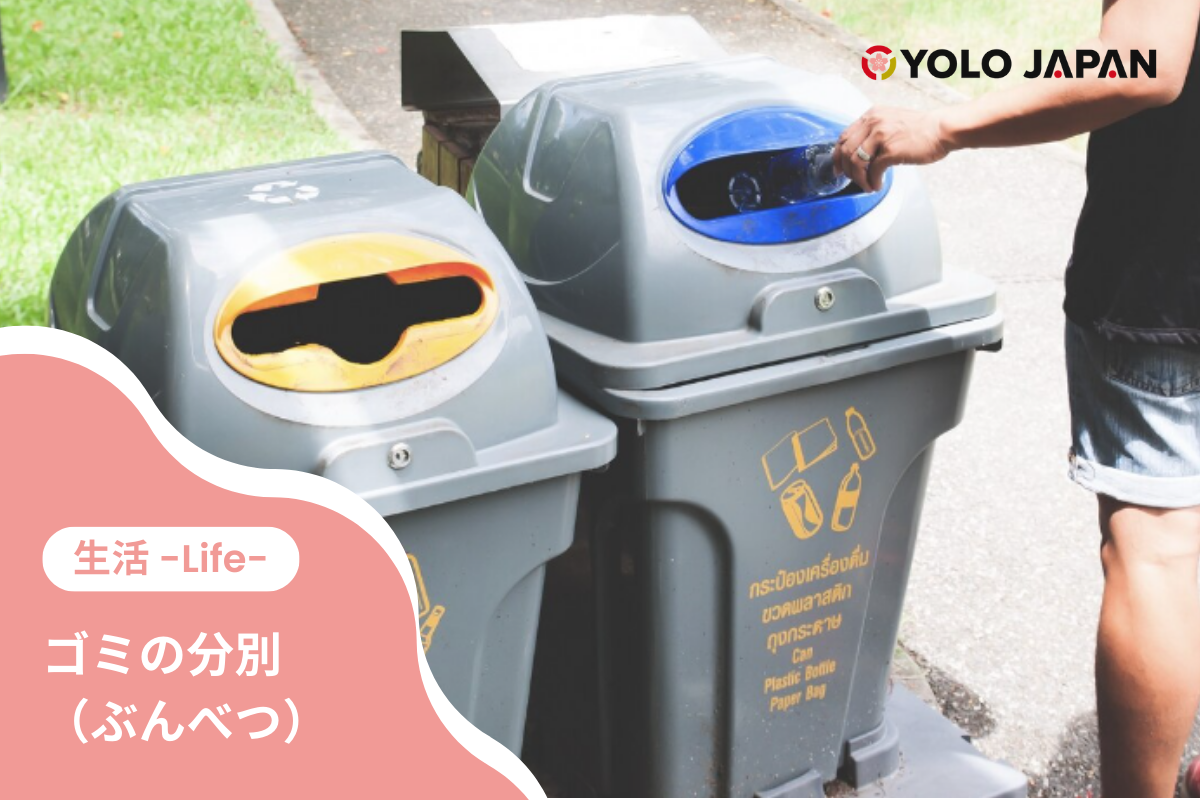
Do Japan's Garbage Rules Feel Complicated to You?
When you first started living in Japan, did you find it difficult to figure out how to throw away garbage?
Questions like “When should I throw this away?”, “Which bag should I use?”, and “What kind of garbage is this?” are very common.
In Japan, the rules for sorting and disposing of garbage are very detailed.
Since the rules differ depending on the area, you often have to learn them again when you move.
In this article, we will clearly explain the important garbage rules that foreigners living in Japan should know, using simple and easy English.
Understanding how to dispose of garbage will make your life in Japan much more comfortable and stress-free.
■ Types of Garbage and How to Sort Them
In Japan, there are clear rules for sorting garbage into different categories.
These rules are important for recycling and safety.
The categories may vary slightly depending on where you live, but there are generally four main types.
| Type of Garbage | Examples |
|---|---|
| 可燃(かねん)ゴミ Burnable Garbage |
Paper, food waste, clothes, shoes, wooden chopsticks |
| 不燃(ふねん)ゴミ Non-burnable Garbage |
Glass, metals, frying pans, ceramics |
|
資源(しげん)ゴミ |
Plastic bottles, cans, glass bottles, newspapers, cardboard |
| 粗大(そだい)ゴミ Oversized Garbage |
Furniture, bicycles, large home appliances |
If you're not sure how to sort your garbage, check your city or ward office website or local guidebook.
If you dispose of garbage incorrectly, you may be warned or asked to take it back home.
■ Rules for Disposing of Garbage
In Japan, there are specific rules for how to throw away garbage.
These rules can vary depending on the city, neighborhood, or even your apartment building. Here are some of the most common basic rules.
① Rules for Garbage Bags
There are generally three types of garbage bag rules:
・Using designated garbage bags (sold at supermarkets or convenience stores)
・Rules about the color or transparency of the bag (e.g., white bags, semi-transparent bags)
・No specific rules for garbage bags
Check the flyers from your local ward office or the city website to see which type of bag you need to use.
② Where to Put Out Garbage
In most areas, garbage is collected from one of the following:
・A nearby designated garbage collection spot
・In front of your home
If you live in an apartment building, there may be a specific collection area inside the property.
③ Days and Times for Garbage Collection
The day and time you can put out garbage depends on the type.
For example, burnable garbage may be collected on Mondays and Thursdays, while recyclable garbage is collected on Fridays.
If you don’t follow the designated schedule, your garbage may not be collected.
Make sure to check your local garbage collection calendar for the correct days and times.

■ Frequently Asked Questions About Garbage Disposal (FAQ)
Q1. What type of garbage is an umbrella?
In most areas, umbrellas are considered non-burnable garbage.
However, if the umbrella is too large, you may need to cut it into smaller pieces or dispose of it as oversized garbage.
Q2. Can I throw away a plastic bottle as it is?
Plastic bottles are recyclable garbage.
Be sure to remove the cap and label, rinse it with water, and then dispose of it properly.
Q3. What should I do if I don’t know which garbage bag to use?
You can check your local government’s website or ask someone at a nearby convenience store.
If you use the wrong bag, your garbage might not be collected and you may have to take it back.
Q4. What happens if I put out my garbage too late?
If you put out garbage after the collection time, it will not be picked up.
Uncollected garbage can attract crows or cause bad smells, so be careful.
Q5. What happens if I don't separate my garbage correctly?
If you don't follow the rules, your garbage might get a sticker saying "Please sort properly" and will not be collected.
In some areas, fines may apply for improper disposal.
■ Helpful Apps and Websites for Garbage Disposal
If you're not sure how to sort your garbage or when to take it out, using a smartphone app or checking your local city office website can be very helpful.
【For Those Living in Osaka City】
In Osaka City, where YOLO JAPAN is located, there are multilingual tools designed for foreigners to help you understand the garbage rules and collection schedule.
・Printable QR Code Guide (Osaka City Environmental Bureau)
・Languages available: Japanese, English, Chinese, Vietnamese, Nepali
・Includes illustrations explaining garbage sorting, collection days, and disposal methods

【For Those Living Outside Osaka】
If you live in another city, check your local city or ward office website.
Searching keywords like “〇〇 City garbage rules” will often lead you to helpful apps and collection calendars.
By knowing your area’s rules, you can avoid mistakes and keep good relationships with neighbors.
■ Find Jobs Related to Cleaning and Waste Management
If you enjoy organizing waste or like keeping things clean, there are jobs that are perfect for you!
YOLO JAPAN offers a variety of job listings related to garbage sorting, collection, and cleaning services.
For example, you can find jobs as hotel cleaning staff, garbage collection assistants, or office cleaners.
■ Summary
In Japan, the rules for garbage disposal are detailed and specific.
But once you understand them, it becomes much easier and less stressful to manage your waste.
Since the rules can differ depending on the area, make sure to check the website or app provided by your city or ward office.
It’s also important to follow good manners when you’re outside. Always throw your trash into a garbage bin.
If there is no bin nearby, do not litter — take your trash home with you.
Let’s all follow the rules and help keep Japan clean and pleasant for everyone!
YOLO JAPAN provides helpful information and job opportunities to support your life in Japan.
>> Register for free with YOLO JAPAN and find the job that’s right for you



 English
 Chinese
 Korean
 Japanese
 Vietnamese
 Portuguese